Top 5 Trends in AI Advertising Technology


Introduction to AI Advertising Trends
As the digital landscape evolves, AI advertising technology is at the forefront of change, transforming how businesses reach and engage their audiences. In this blog post, we explore the top five trends in AI advertising technology, offering insights into how these advancements are reshaping the industry.
1. Programmatic Advertising
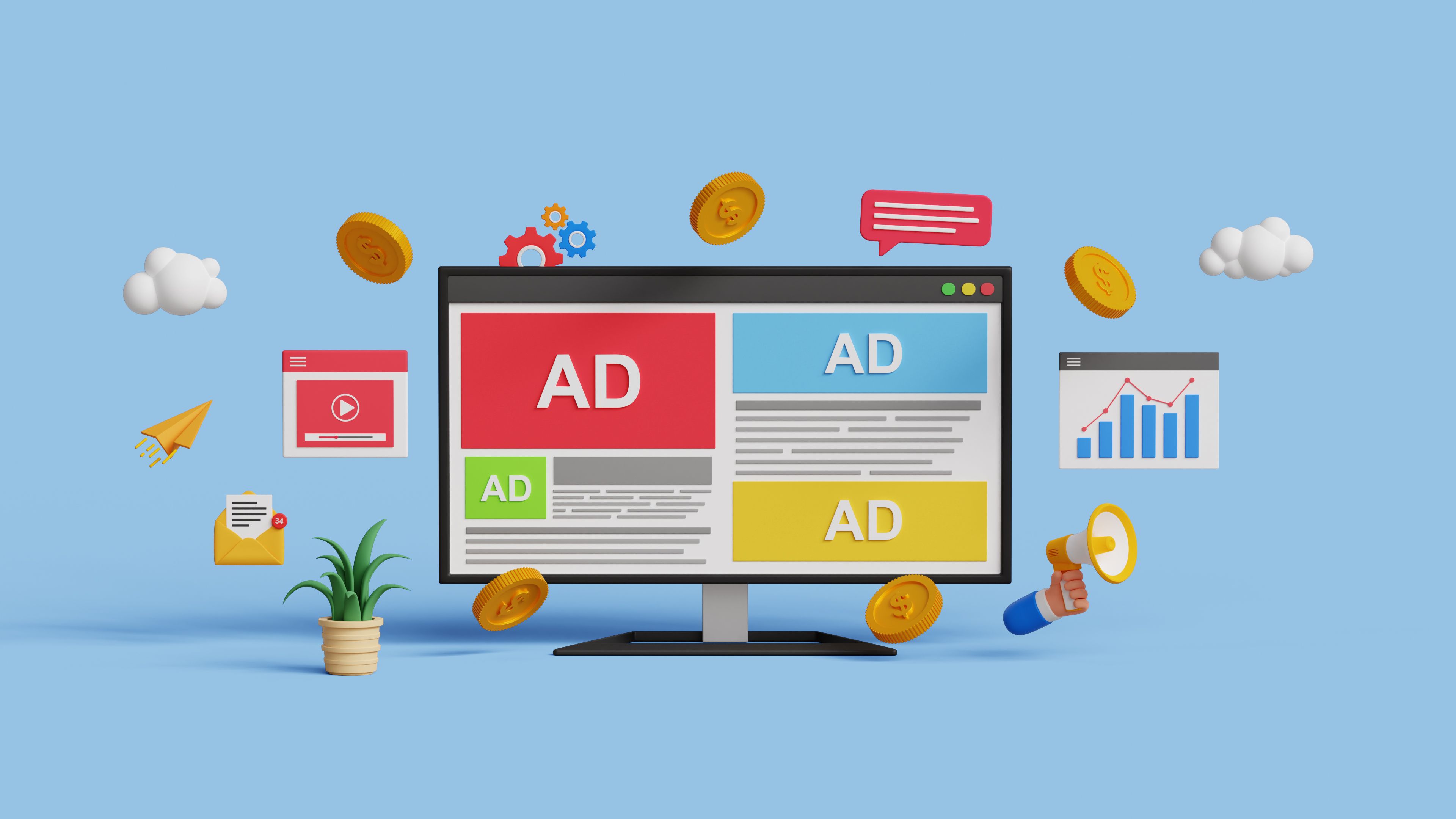
Programmatic advertising has revolutionized the way ads are bought and sold. Utilizing AI and machine learning, this technology automates the ad buying process, allowing marketers to target specific audiences with precision. This trend reduces human error and enhances efficiency, making it a cornerstone of modern digital marketing strategies.
Benefits of Programmatic Advertising
One of the key benefits of programmatic advertising is its ability to deliver personalized content. By analyzing user data in real-time, AI can tailor ads to match individual preferences, significantly improving engagement rates. Additionally, programmatic advertising offers transparency, allowing marketers to track and optimize ad performance continuously.
2. AI-Powered Chatbots
AI-powered chatbots are becoming an essential tool in customer interaction. These intelligent bots provide instant responses to customer inquiries, enhancing user experience and driving engagement. By integrating chatbots into advertising strategies, businesses can offer 24/7 support, boosting customer satisfaction and loyalty.
Enhancing Customer Experience
Chatbots are not just about customer service; they are a powerful advertising tool. By leveraging AI, chatbots can recommend products, guide users through purchasing processes, and gather valuable customer insights. This data can then be used to refine marketing strategies, making them more effective.

3. Predictive Analytics
Predictive analytics is playing a crucial role in shaping the future of advertising. By utilizing AI to analyze historical data, predictive analytics can forecast future consumer behavior. This allows marketers to anticipate trends and tailor their strategies accordingly, ensuring they stay ahead of the competition.
Driving Data-Driven Decisions
With predictive analytics, businesses can make informed decisions based on data-driven insights. This trend enables marketers to allocate resources effectively, optimize ad spend, and enhance ROI. By understanding potential consumer trends, businesses can craft targeted campaigns that resonate with their audience.

4. Visual and Voice Search Optimization
As consumers increasingly rely on visual and voice search, optimizing ads for these mediums is becoming essential. AI technology is helping marketers adapt by recognizing and processing visual and voice queries, allowing for more dynamic and interactive advertising experiences.
Adapting to New Search Behaviors
Optimizing for visual and voice search involves creating content that aligns with the way users interact with technology. This means developing ads that are not only keyword-focused but also contextually relevant, ensuring they appear in visual and voice search results. This trend is vital for reaching tech-savvy consumers effectively.
5. Hyper-Personalization
Hyper-personalization takes targeted advertising to the next level by delivering personalized content to individual users. Leveraging AI, marketers can analyze a wealth of data points to create highly customized ad experiences that resonate on a personal level with consumers.
Creating Meaningful Connections
By focusing on hyper-personalization, businesses can build deeper connections with their audience. This trend allows for the creation of ads that speak directly to consumer needs and preferences, enhancing engagement and driving conversions. As AI technology advances, hyper-personalization will continue to be a key factor in successful advertising strategies.