
Harnessing AI-Driven Shopping for Maximum ROI: A Comprehensive Guide


In today's rapidly evolving digital landscape, businesses are constantly seeking innovative ways to optimize their return on investment (ROI). One such avenue is the integration of AI-driven shopping experiences. By leveraging artificial intelligence, companies can create personalized, efficient, and engaging shopping journeys for their customers.
Understanding AI-Driven Shopping
AI-driven shopping refers to the use of artificial intelligence technologies to enhance and personalize the shopping experience. This can include everything from recommendation engines to virtual shopping assistants. The goal is to make shopping more intuitive and tailored to individual customer needs, leading to increased satisfaction and higher conversion rates.
One of the primary benefits of AI in shopping is its ability to analyze vast amounts of data quickly and accurately. This enables businesses to understand customer preferences, predict buying behaviors, and tailor their offerings accordingly.
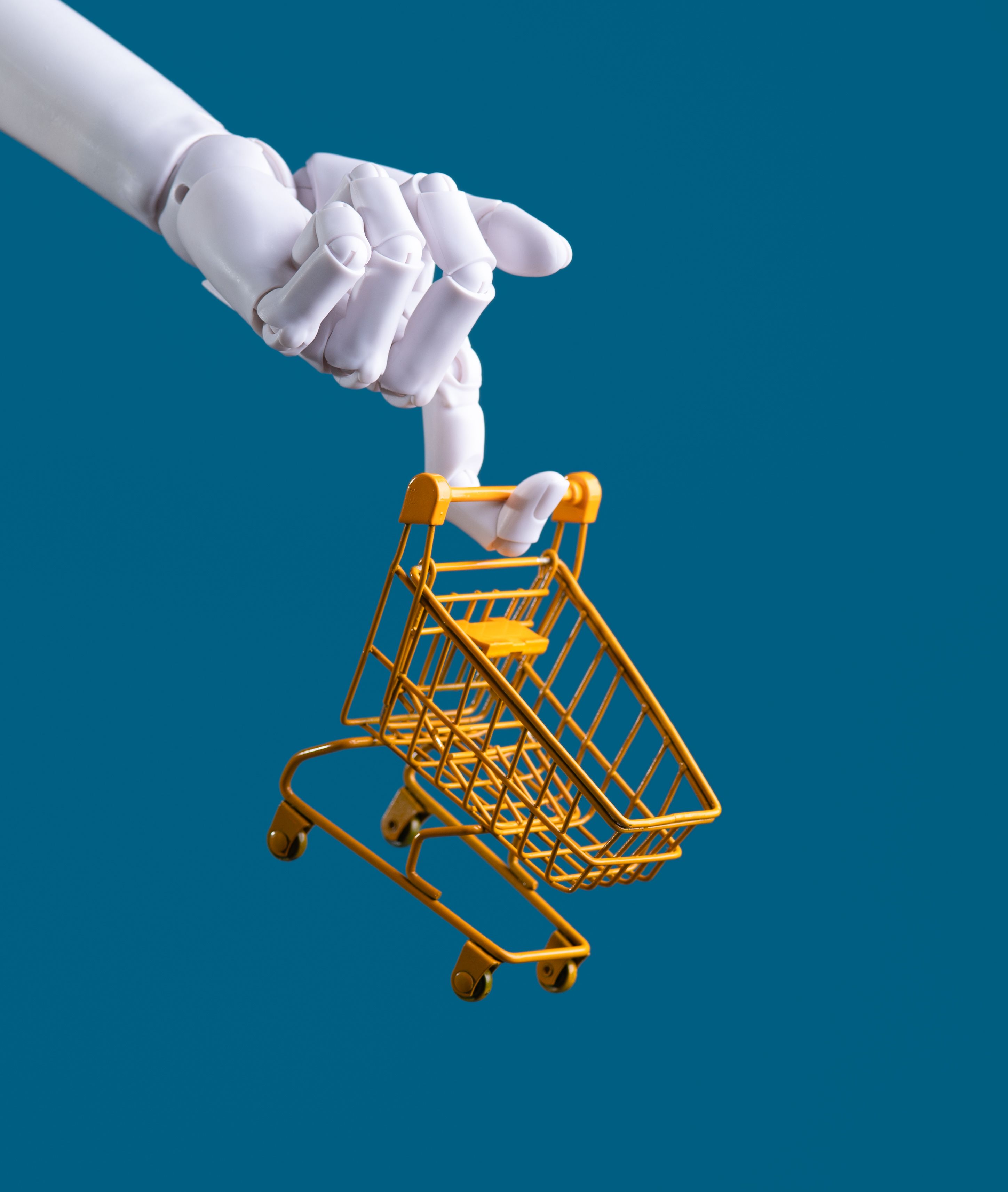
Benefits of AI in E-commerce
The integration of AI in e-commerce offers numerous benefits. Firstly, it allows for more accurate product recommendations, which can significantly boost sales. By analyzing past purchases and browsing history, AI systems can suggest products that customers are more likely to buy.
Secondly, AI can improve customer service through chatbots and virtual assistants, providing instant responses to queries and enhancing the customer experience. This not only saves time but also increases customer satisfaction.
Enhancing Inventory Management
AI-driven systems can also optimize inventory management. By predicting demand trends, businesses can stock products more efficiently, reducing overstock and minimizing shortages. This leads to better resource management and cost savings.

Maximizing ROI with AI-Driven Strategies
To harness AI-driven shopping for maximum ROI, businesses should focus on several key strategies. First, invest in robust AI tools that can seamlessly integrate with existing systems. Selecting the right tools is crucial for achieving desired outcomes.
Next, prioritize data collection and analysis. By gathering comprehensive customer data, AI systems can make more informed decisions, leading to better-targeted marketing efforts and higher conversion rates.
Personalization and Customer Engagement
AI allows for a high degree of personalization, which is essential for engaging customers. Personalized emails, product recommendations, and targeted ads can significantly enhance the customer journey and increase ROI.

Challenges and Considerations
While AI offers numerous advantages, there are challenges to consider. Data privacy is a primary concern, and businesses must ensure that they comply with regulations to protect customer information. Additionally, the initial cost of implementing AI solutions can be high, though the long-term benefits often justify the investment.
Finally, businesses should continuously monitor and adjust their AI strategies to keep up with changing technologies and consumer behaviors. This adaptability is key to maintaining a competitive edge in the market.
Conclusion
Harnessing AI-driven shopping is a powerful way to maximize ROI and enhance the customer experience. By understanding and implementing these strategies, businesses can stay ahead of the curve and achieve sustainable growth in the ever-evolving e-commerce landscape.